💯 Иностранный язык в профессиональной деятельности / Английский язык.(1/2)СПО Синергия Колледж Ответы на тест
Ответы к экзамену Итоговый тест: Иностранный язык в профессиональной деятельности / Английский язык.(1/2)СПО
Новинка
-28%
Описание
Все мои готовые работы для Синергии (Сортировка по алфавиту).
Представлены ответы на вопросы по предмету "Иностранный язык в профессиональной деятельности / Английский язык.(1/2)СПО" для студентов колледжа Синергия.
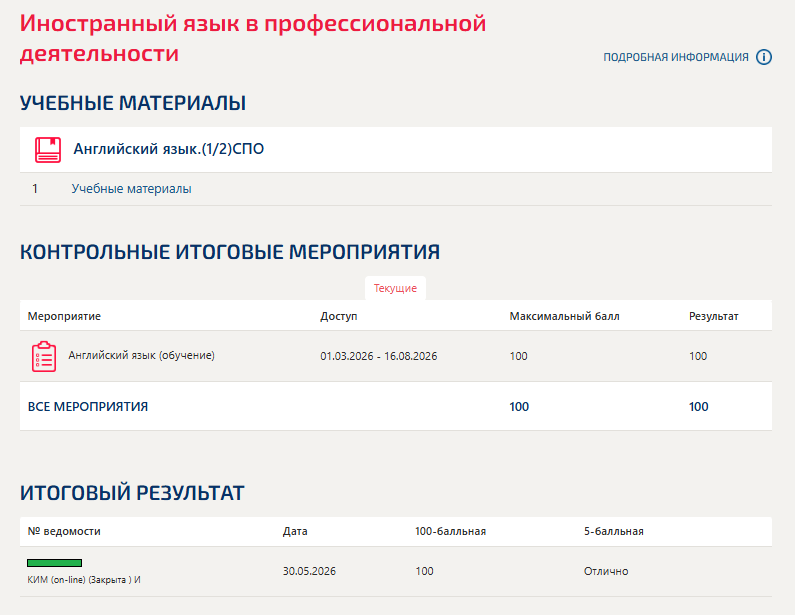
Итоговый набранный балл 100 из 100.
ВНИМАНИЕ! Перед тем как купить работу, обязательно убедитесь, что ваши вопросы совпадают с представленными ниже. Для этого рекомендую запустить тест и сверить хотя бы несколько вопросов.
![]()
Представлены ответы на вопросы по предмету "Иностранный язык в профессиональной деятельности / Английский язык.(1/2)СПО" для студентов колледжа Синергия.
Итоговый набранный балл 100 из 100.
ВНИМАНИЕ! Перед тем как купить работу, обязательно убедитесь, что ваши вопросы совпадают с представленными ниже. Для этого рекомендую запустить тест и сверить хотя бы несколько вопросов.
Файлы условия, демо
Список вопросов
We were good friends, we … each other for years.
We were extremely tired at the end of the journey. We … for more than 24 hours.
The Irish Travellers are the largest minority in Ireland. There are about 25,000 Irish Travellers in Ireland and 1,300 in Northern Ireland. They are a little understood nomadic community, who have many difficulties to overcome if they are to survive as a culture and gain acceptance into Irish society. Among the challenges facing them are poverty and racism. The Irish Travellers are a distinct ethnic group which has existed for centuries. Often they are mistakenly considered part of the nomadic Romani, an ethnic group which originated in the region of India and is now widespread throughout Europe. But the Irish Travellers are indigenous to Ireland, so the two cultures are not related. While both are nomadic, the Irish Travellers are Roman Catholic and speak a language that is theirs alone. They have their own culture, customs, traditions, and language. They are noted for their musical and storytelling abilities. In times past, they travelled by horse-drawn wagon in caravans, making camp along the way. Tinsmithing, horse trading and peddling were the major sources of income in those days. Tinsmiths were so prevalent among Irish Travellers that the terms Tinker and Irish Traveller were used interchangeably. Today, Tinker is one of many names for Irish Travellers. Horses and wagons have given way to mobile homes pulled by motor vehicles. They continue their life on the road, but there are fewer places to stop and fewer places where they are welcome. Today, Irish Travellers mainly work in recycling. Changing needs of society and progress have eliminated the jobs that could support a culture on wheels. Irish Travellers are poor, undereducated, and on the receiving end of discrimination. Their life expectancy is lower than average while their infant mortality rate is higher than average. As is the case with the Romani, the Irish Travellers are seen by many as a group of immoral, ignorant criminals and con artists. People distrust their nomadic culture and their language, Shelta. Many think it's a secret language specifically developed as a tool to help the Irish Travellers trick innocent people. But this is not true. It is an old language, which has evolved with time and circumstances. Once heavily infused with Irish Gaelic, it is now infused with English.
They were called Tinkers, which is now ... for them.
They were called Tinkers, which is now ... for them.
The Irish Travellers are the largest minority in Ireland. There are about 25,000 Irish Travellers in Ireland and 1,300 in Northern Ireland. They are a little understood nomadic community, who have many difficulties to overcome if they are to survive as a culture and gain acceptance into Irish society. Among the challenges facing them are poverty and racism. The Irish Travellers are a distinct ethnic group which has existed for centuries. Often they are mistakenly considered part of the nomadic Romani, an ethnic group which originated in the region of India and is now widespread throughout Europe. But the Irish Travellers are indigenous to Ireland, so the two cultures are not related. While both are nomadic, the Irish Travellers are Roman Catholic and speak a language that is theirs alone. They have their own culture, customs, traditions, and language. They are noted for their musical and storytelling abilities. In times past, they travelled by horse-drawn wagon in caravans, making camp along the way. Tinsmithing, horse trading and peddling were the major sources of income in those days. Tinsmiths were so prevalent among Irish Travellers that the terms Tinker and Irish Traveller were used interchangeably. Today, Tinker is one of many names for Irish Travellers. Horses and wagons have given way to mobile homes pulled by motor vehicles. They continue their life on the road, but there are fewer places to stop and fewer places where they are welcome. Today, Irish Travellers mainly work in recycling. Changing needs of society and progress have eliminated the jobs that could support a culture on wheels. Irish Travellers are poor, undereducated, and on the receiving end of discrimination. Their life expectancy is lower than average while their infant mortality rate is higher than average. As is the case with the Romani, the Irish Travellers are seen by many as a group of immoral, ignorant criminals and con artists. People distrust their nomadic culture and their language, Shelta. Many think it's a secret language specifically developed as a tool to help the Irish Travellers trick innocent people. But this is not true. It is an old language, which has evolved with time and circumstances. Once heavily infused with Irish Gaelic, it is now infused with English.
The Irish Travellers are mistakenly taken for the nomadic Romani, another ... widely spread in Europe.
The Irish Travellers are mistakenly taken for the nomadic Romani, another ... widely spread in Europe.
The Irish Travellers are the largest minority in Ireland. There are about 25,000 Irish Travellers in Ireland and 1,300 in Northern Ireland. They are a little understood nomadic community, who have many difficulties to overcome if they are to survive as a culture and gain acceptance into Irish society. Among the challenges facing them are poverty and racism. The Irish Travellers are a distinct ethnic group which has existed for centuries. Often they are mistakenly considered part of the nomadic Romani, an ethnic group which originated in the region of India and is now widespread throughout Europe. But the Irish Travellers are indigenous to Ireland, so the two cultures are not related. While both are nomadic, the Irish Travellers are Roman Catholic and speak a language that is theirs alone. They have their own culture, customs, traditions, and language. They are noted for their musical and storytelling abilities. In times past, they travelled by horse-drawn wagon in caravans, making camp along the way. Tinsmithing, horse trading and peddling were the major sources of income in those days. Tinsmiths were so prevalent among Irish Travellers that the terms Tinker and Irish Traveller were used interchangeably. Today, Tinker is one of many names for Irish Travellers. Horses and wagons have given way to mobile homes pulled by motor vehicles. They continue their life on the road, but there are fewer places to stop and fewer places where they are welcome. Today, Irish Travellers mainly work in recycling. Changing needs of society and progress have eliminated the jobs that could support a culture on wheels. Irish Travellers are poor, undereducated, and on the receiving end of discrimination. Their life expectancy is lower than average while their infant mortality rate is higher than average. As is the case with the Romani, the Irish Travellers are seen by many as a group of immoral, ignorant criminals and con artists. People distrust their nomadic culture and their language, Shelta. Many think it's a secret language specifically developed as a tool to help the Irish Travellers trick innocent people. But this is not true. It is an old language, which has evolved with time and circumstances. Once heavily infused with Irish Gaelic, it is now infused with English.
Irish Travellers have mobile homes pulled ... now.
Irish Travellers have mobile homes pulled ... now.
The Irish Travellers are the largest minority in Ireland. There are about 25,000 Irish Travellers in Ireland and 1,300 in Northern Ireland. They are a little understood nomadic community, who have many difficulties to overcome if they are to survive as a culture and gain acceptance into Irish society. Among the challenges facing them are poverty and racism. The Irish Travellers are a distinct ethnic group which has existed for centuries. Often they are mistakenly considered part of the nomadic Romani, an ethnic group which originated in the region of India and is now widespread throughout Europe. But the Irish Travellers are indigenous to Ireland, so the two cultures are not related. While both are nomadic, the Irish Travellers are Roman Catholic and speak a language that is theirs alone. They have their own culture, customs, traditions, and language. They are noted for their musical and storytelling abilities. In times past, they travelled by horse-drawn wagon in caravans, making camp along the way. Tinsmithing, horse trading and peddling were the major sources of income in those days. Tinsmiths were so prevalent among Irish Travellers that the terms Tinker and Irish Traveller were used interchangeably. Today, Tinker is one of many names for Irish Travellers. Horses and wagons have given way to mobile homes pulled by motor vehicles. They continue their life on the road, but there are fewer places to stop and fewer places where they are welcome. Today, Irish Travellers mainly work in recycling. Changing needs of society and progress have eliminated the jobs that could support a culture on wheels. Irish Travellers are poor, undereducated, and on the receiving end of discrimination. Their life expectancy is lower than average while their infant mortality rate is higher than average. As is the case with the Romani, the Irish Travellers are seen by many as a group of immoral, ignorant criminals and con artists. People distrust their nomadic culture and their language, Shelta. Many think it's a secret language specifically developed as a tool to help the Irish Travellers trick innocent people. But this is not true. It is an old language, which has evolved with time and circumstances. Once heavily infused with Irish Gaelic, it is now infused with English.
In the past the Irish Travellers went around by ... in caravans.
In the past the Irish Travellers went around by ... in caravans.
The Irish Travellers are the largest minority in Ireland. There are about 25,000 Irish Travellers in Ireland and 1,300 in Northern Ireland. They are a little understood nomadic community, who have many difficulties to overcome if they are to survive as a culture and gain acceptance into Irish society. Among the challenges facing them are poverty and racism. The Irish Travellers are a distinct ethnic group which has existed for centuries. Often they are mistakenly considered part of the nomadic Romani, an ethnic group which originated in the region of India and is now widespread throughout Europe. But the Irish Travellers are indigenous to Ireland, so the two cultures are not related. While both are nomadic, the Irish Travellers are Roman Catholic and speak a language that is theirs alone. They have their own culture, customs, traditions, and language. They are noted for their musical and storytelling abilities. In times past, they travelled by horse-drawn wagon in caravans, making camp along the way. Tinsmithing, horse trading and peddling were the major sources of income in those days. Tinsmiths were so prevalent among Irish Travellers that the terms Tinker and Irish Traveller were used interchangeably. Today, Tinker is one of many names for Irish Travellers. Horses and wagons have given way to mobile homes pulled by motor vehicles. They continue their life on the road, but there are fewer places to stop and fewer places where they are welcome. Today, Irish Travellers mainly work in recycling. Changing needs of society and progress have eliminated the jobs that could support a culture on wheels. Irish Travellers are poor, undereducated, and on the receiving end of discrimination. Their life expectancy is lower than average while their infant mortality rate is higher than average. As is the case with the Romani, the Irish Travellers are seen by many as a group of immoral, ignorant criminals and con artists. People distrust their nomadic culture and their language, Shelta. Many think it's a secret language specifically developed as a tool to help the Irish Travellers trick innocent people. But this is not true. It is an old language, which has evolved with time and circumstances. Once heavily infused with Irish Gaelic, it is now infused with English.
Although both groups are nomadic, their cultures ....
Although both groups are nomadic, their cultures ....
The Irish Travellers are the largest minority in Ireland. There are about 25,000 Irish Travellers in Ireland and 1,300 in Northern Ireland. They are a little understood nomadic community, who have many difficulties to overcome if they are to survive as a culture and gain acceptance into Irish society. Among the challenges facing them are poverty and racism. The Irish Travellers are a distinct ethnic group which has existed for centuries. Often they are mistakenly considered part of the nomadic Romani, an ethnic group which originated in the region of India and is now widespread throughout Europe. But the Irish Travellers are indigenous to Ireland, so the two cultures are not related. While both are nomadic, the Irish Travellers are Roman Catholic and speak a language that is theirs alone. They have their own culture, customs, traditions, and language. They are noted for their musical and storytelling abilities. In times past, they travelled by horse-drawn wagon in caravans, making camp along the way. Tinsmithing, horse trading and peddling were the major sources of income in those days. Tinsmiths were so prevalent among Irish Travellers that the terms Tinker and Irish Traveller were used interchangeably. Today, Tinker is one of many names for Irish Travellers. Horses and wagons have given way to mobile homes pulled by motor vehicles. They continue their life on the road, but there are fewer places to stop and fewer places where they are welcome. Today, Irish Travellers mainly work in recycling. Changing needs of society and progress have eliminated the jobs that could support a culture on wheels. Irish Travellers are poor, undereducated, and on the receiving end of discrimination. Their life expectancy is lower than average while their infant mortality rate is higher than average. As is the case with the Romani, the Irish Travellers are seen by many as a group of immoral, ignorant criminals and con artists. People distrust their nomadic culture and their language, Shelta. Many think it's a secret language specifically developed as a tool to help the Irish Travellers trick innocent people. But this is not true. It is an old language, which has evolved with time and circumstances. Once heavily infused with Irish Gaelic, it is now infused with English.
Read the text and complete the gap in the sentences with the words from the text.
... are the two main problems of Irish Travellers.
Read the text and complete the gap in the sentences with the words from the text.
... are the two main problems of Irish Travellers.
She … at the parcel long enough, before she … that it was for her brother.
On 10 December 1948, the United Nations General Assembly adopted the Universal Declaration of Human Rights, which has become a (1) ... standard for defending and promoting human rights. Every year on 10 December, Human Rights Day marks the adoption of the Universal Declaration which states that "Human beings are born with (2) ... rights and fundamental freedoms". In 2006, Human Rights Day focused on (3) ... poverty as a matter of obligation, not of charity. Poverty is (4) ... by human rights violations. The links between human rights and poverty should be obvious: people whose rights are (5) ... are more likely to be poor. Generally they find it harder or impossible to participate in the labour market and have little or no access to (6) ... services and resources. Meanwhile, the poor in many societies cannot enjoy their rights to education, health and housing simply (7) ... they cannot afford them. And poverty affects all human rights: for example, low income can prevent people from accessing education, which in turn inhibits their participation in public life and their ability to influence the policies affecting them. Governments and those in a position of authority must (8) ... responsibility for dealing with poverty. The realisation of human rights — including the fight against poverty — is a duty, not a mere aspiration.
Read the text and choose the best options to fill in the gap (4).
Read the text and choose the best options to fill in the gap (4).
My colleagues usually … four days a week, and tills week they … five days.
It … outside; I do not like to walk in such weather.
I feel terrible. I think I … to be sick.
I … to the cinema but my friend persuaded me to stay.
I … a very difficult day tomorrow. I need to prepare for the exam.
HUMAN RIGHTS DAY On 10 December 1948, the United Nations General Assembly adopted the Universal Declaration of Human Rights, which has become a (1) ... standard for defending and promoting human rights. Every year on 10 December, Human Rights Day marks the adoption of the Universal Declaration which states that "Human beings are born with (2) ... rights and fundamental freedoms". In 2006, Human Rights Day focused on (3) ... poverty as a matter of obligation, not of charity. Poverty is (4) ... by human rights violations. The links between human rights and poverty should be obvious: people whose rights are (5) ... are more likely to be poor. Generally they find it harder or impossible to participate in the labour market and have little or no access to (6) ... services and resources. Meanwhile, the poor in many societies cannot enjoy their rights to education, health and housing simply (7) ... they cannot afford them. And poverty affects all human rights: for example, low income can prevent people from accessing education, which in turn inhibits their participation in public life and their ability to influence the policies affecting them. Governments and those in a position of authority must (8) ... responsibility for dealing with poverty. The realisation of human rights — including the fight against poverty — is a duty, not a mere aspiration.
Read the text and choose the best options to fill in the gap (3).
Read the text and choose the best options to fill in the gap (3).
HUMAN RIGHTS DAY On 10 December 1948, the United Nations General Assembly adopted the Universal Declaration of Human Rights, which has become a (1) ... standard for defending and promoting human rights. Every year on 10 December, Human Rights Day marks the adoption of the Universal Declaration which states that "Human beings are born with (2) ... rights and fundamental freedoms". In 2006, Human Rights Day focused on (3) ... poverty as a matter of obligation, not of charity. Poverty is (4) ... by human rights violations. The links between human rights and poverty should be obvious: people whose rights are (5) ... are more likely to be poor. Generally they find it harder or impossible to participate in the labour market and have little or no access to (6) ... services and resources. Meanwhile, the poor in many societies cannot enjoy their rights to education, health and housing simply (7) ... they cannot afford them. And poverty affects all human rights: for example, low income can prevent people from accessing education, which in turn inhibits their participation in public life and their ability to influence the policies affecting them. Governments and those in a position of authority must (8) ... responsibility for dealing with poverty. The realisation of human rights — including the fight against poverty — is a duty, not a mere aspiration.
Read the text and choose the best options to fill in the gap (2).
Read the text and choose the best options to fill in the gap (2).
HUMAN RIGHTS DAY On 10 December 1948, the United Nations General Assembly adopted the Universal Declaration of Human Rights, which has become a (1) ... standard for defending and promoting human rights. Every year on 10 December, Human Rights Day marks the adoption of the Universal Declaration which states that "Human beings are born with (2) ... rights and fundamental freedoms". In 2006, Human Rights Day focused on (3) ... poverty as a matter of obligation, not of charity. Poverty is (4) ... by human rights violations. The links between human rights and poverty should be obvious: people whose rights are (5) ... are more likely to be poor. Generally they find it harder or impossible to participate in the labour market and have little or no access to (6) ... services and resources. Meanwhile, the poor in many societies cannot enjoy their rights to education, health and housing simply (7) ... they cannot afford them. And poverty affects all human rights: for example, low income can prevent people from accessing education, which in turn inhibits their participation in public life and their ability to influence the policies affecting them. Governments and those in a position of authority must (8) ... responsibility for dealing with poverty. The realisation of human rights — including the fight against poverty — is a duty, not a mere aspiration.
Read the text and choose the best options to fill in the gap (1).
Read the text and choose the best options to fill in the gap (1).
Fill in the gaps in the text with the correct forms of the verbs.
You said you … to see me this Christmas.
You said you … to see me this Christmas.
Fill in the gaps in the text with the correct forms of the verbs.
I've been working as a manager since I …. and I find It really interesting.
I've been working as a manager since I …. and I find It really interesting.
Fill in the gaps in the text with the correct forms of the verbs.
I'm living in a small Hotel at the moment, but I …. to a flat next week. I've asked a friend of mine to share it with me.
I'm living in a small Hotel at the moment, but I …. to a flat next week. I've asked a friend of mine to share it with me.
Fill in the gaps in the text with the correct forms of the verbs.
I'm learning Russian and l can already understand what people around me are talking about. "But I find it really difficult to speak Russian . I …. the course by the end of the year and hope I feel more confident with this language.
I'm learning Russian and l can already understand what people around me are talking about. "But I find it really difficult to speak Russian . I …. the course by the end of the year and hope I feel more confident with this language.
Fill in the gaps in the text with the correct forms of the verbs.
I ….. in Novgorod for three months and I'm enjoying life here very much.
I ….. in Novgorod for three months and I'm enjoying life here very much.
Choose the right variant
While Tom … a book, Marhta … TV.
While Tom … a book, Marhta … TV.
Choose the right variant
When Mark arrived, the Johnsons … dinner, but stopped in order to talk to him.
When Mark arrived, the Johnsons … dinner, but stopped in order to talk to him.
Choose the right variant
We called our friends in London yesterday to tell them about the reunion that we ….
We called our friends in London yesterday to tell them about the reunion that we ….
Choose the right variant
The food that Ann is cooking in the kitchen … delicious.
The food that Ann is cooking in the kitchen … delicious.
Catherine is studying law at the university, and so …Nick.
At 10 o'clock in the morning on Wednesday Tom … a delegation in the office.
Although the sun was shining, it was still cold, because it … hard for two hours.
Характеристики ответов (шпаргалок) к экзамену
Тип
Коллекция: Ответы к экзамену
Учебное заведение
 МФПУ «Синергия»
 Семестр
Номер задания
Просмотров
0
Количество вопросов

❓ Как копировать вопросы во время теста в Синергии?

Каждая купленная работа – это шаг к вашей успешной сдаче и мой стимул делать ещё лучше. Вместе мы создаём круговорот добра в учебе 🥰
Сегодня в 17:33
Комментарии
Нет комментариев
Стань первым, кто что-нибудь напишет!
Отзывы на другие работы автора

Отзыв
Цифровая трансформация Синергия МосАП Ответы на тесты 1-4, итоговый тест, компетентностный
мне нравится. хорошая помощь

Благодарю за отзыв! Рад помочь 🤝
Отзыв
Русский язык и культура общения МТИ (Темы 1-18) Ответы на итоговый тест
Спасибище! 100 из 100!
Пожалуйста! Рад помочь 👍️
Отзыв
💯 Административное право Синергия Ответы на тесты 1-10, итоговый тест
Все вопросы и ответы есть! Без ошибок, 10 из 10!
Благодарю за отзыв! Рад помочь 🤝
Отзыв
Техническая эксплуатация и ремонт зданий МТИ Ответы на итоговый тест
Сдавала 21.05.26г. Все отлично. Автору спасибо!
Благодарю за отзыв! Рад помочь 🤝
Отзыв
Технология возведения зданий и сооружений МТИ Ответы на тест
Сдавала 18.05.2026 на 100 баллов. Спасибо.
Пожалуйста! Рад, что ответы Вам помогли 👍️